
Gift-ready bouquet Same-day delivery
Everyday Brightness
A bright wrapped bouquet for same-day gifting, thank-you flowers, birthdays, and everyday flower delivery.
$195
Lina Flowers
Preparing flowers, pages, and seasonal details.
The next page is loading with shop details, holiday guides, and local florist information.
Allergy guide
Some flowers are far easier on allergies than others — which matters for sensitive recipients, hospital rooms, and shared offices. Use this guide to choose stems that look generous without overwhelming the room.
Lina Flowers · Van Nuys, California
Local flowers, delivery timing, and studio guidance in one place.
Open daily 9 AM - 11:45 PM
Delivery
Same-day local coverage
Hours
Open daily 9 AM - 11:45 PM
Studio line
(818) 855-1155
Studio
Van Nuys, California
Some flowers are far easier on allergies than others — which matters for sensitive recipients, hospital rooms, and shared offices. Use this guide to choose stems that look generous without overwhelming the room.
Last reviewed August 7, 2026
Reviewed by Naira Soghomonyan.
Best for
These are the situations where the details are as important as the flowers.
01
Helpful for sensitive recipients when delivery timing, presentation, or message details should be handled carefully.
02
Helpful for hospital rooms when delivery timing, presentation, or message details should be handled carefully.
03
Helpful for shared offices when delivery timing, presentation, or message details should be handled carefully.
04
Helpful for scent-aware gifting when delivery timing, presentation, or message details should be handled carefully.
Practical guidance
These notes are written for real customer decisions, not generic flower advice.
Step 01
These flowers tend to release little loose pollen and have a mild scent, which makes them friendlier choices for sensitive recipients:
Step 02
A few popular flowers are heavier on pollen or fragrance. They can still be used, but choose deliberately for a sensitive recipient:
Step 03
Small choices make a flower gift much easier on a sensitive recipient or a hospital room:
Checklist
The right details make the order easier to prepare, route, and deliver.
Choose low-pollen stems like roses, orchids, tulips, and carnations.
Avoid or carefully prepare lilies and heavily scented flowers.
Ask the studio to remove stamens and reduce fragrance for sensitive recipients.
Check hospital flower rules before delivering to a patient room.
Use the guide
These arrangements are selected from the guide's occasion, presentation, flower-care, and delivery language so you can compare relevant options without starting over.
A bright wrapped bouquet for same-day gifting, thank-you flowers, birthdays, and everyday flower delivery.

A cheerful petite bouquet in coral, yellow, pink, and lavender for affordable same-day gifting.

A garden-style designer's choice bouquet arranged from the freshest soft-color seasonal flowers available.
Helpful next steps
Each next step leads to a current page for shopping, delivery, local planning, or direct contact.
Questions
Use these answers to decide whether to order online or call the studio first.
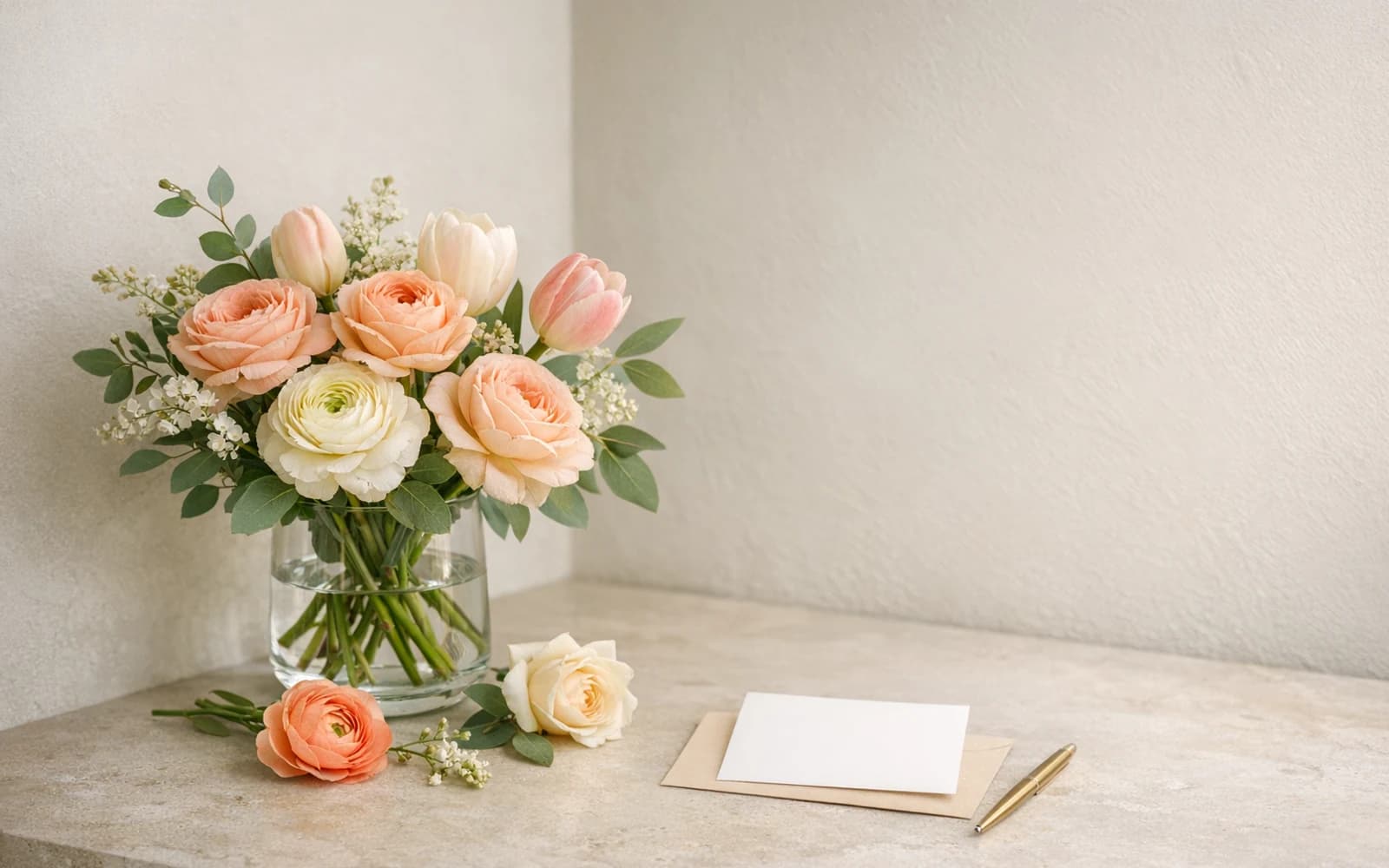
Roses, orchids, hydrangea, peonies, tulips, snapdragons, and carnations are good low-pollen choices with mild scent. They give a full, generous look without releasing much loose pollen.
Lilies are high-pollen and strongly scented, and chrysanthemums, sunflowers, and daisies carry more loose pollen. Lilies can still be used if the studio removes the stamens, and heavily fragrant stems are best avoided for sensitive or hospital recipients.
Low-pollen, lightly scented arrangements are the safest choice for hospital rooms, but always confirm the facility's flower policy first — some units restrict flowers entirely. Lina Flowers can build a compact, gentle design suited to a patient room.
More guides
Use another guide if the delivery location, card message, or arrangement care is the bigger question.
Ready for flowers?